
Cardboard Journal's Take
Golden Grading
Five dollars a card, a slab that reads as Beckett at a glance, and a serial lookup that could not find our card.

What Sets Them Apart
The cheapest real slab in the American market: $3 a card on the Projects tier at 20 business days, with no declared-value upcharges at any level. It accepts 1933-to-present cards, which is broader than its 'modern era' reputation, but currently refuses Magic, One Piece, Dragon Ball Z and Yu-Gi-Oh.
Tier
Our rating of how well the resale market actually recognises this grader.
Turnaround
10 days (Express)
Economy is 120 days, Express 10 business days, next-day $25. Estimates only, and they start when the invoice is paid.
Backlog
No backlog figure published.
What They Grade
- Sports Cards
- TCG
- Non-Sports & Entertainment
- Autographs
Marketplace Acceptance
Certificate lookup:Verify a cert →
No meaningful recognition. Not covered by eBay's Authenticity Guarantee. At this price point the slab is best understood as protection and presentation rather than a grade the market will pay for.
Pricing
Flat per-card pricing with no declared-value upcharges at any level — the single thing it does that the majors do not. Economy is $5 at 120 days, Express $9 at 10 business days, and next-day $25. A separate Projects tier runs $3 a card at 20 business days, which is where the headline price comes from. Cards over 35pt add $3. A Raw Card Review returns a graded sticker in a top loader rather than a slab; those labels carry a serial number that is deliberately not entered into the certification database and will not resolve in the lookup — Golden says so plainly, but a serial number that cannot be checked is a serial number that will be misread.
The Slab
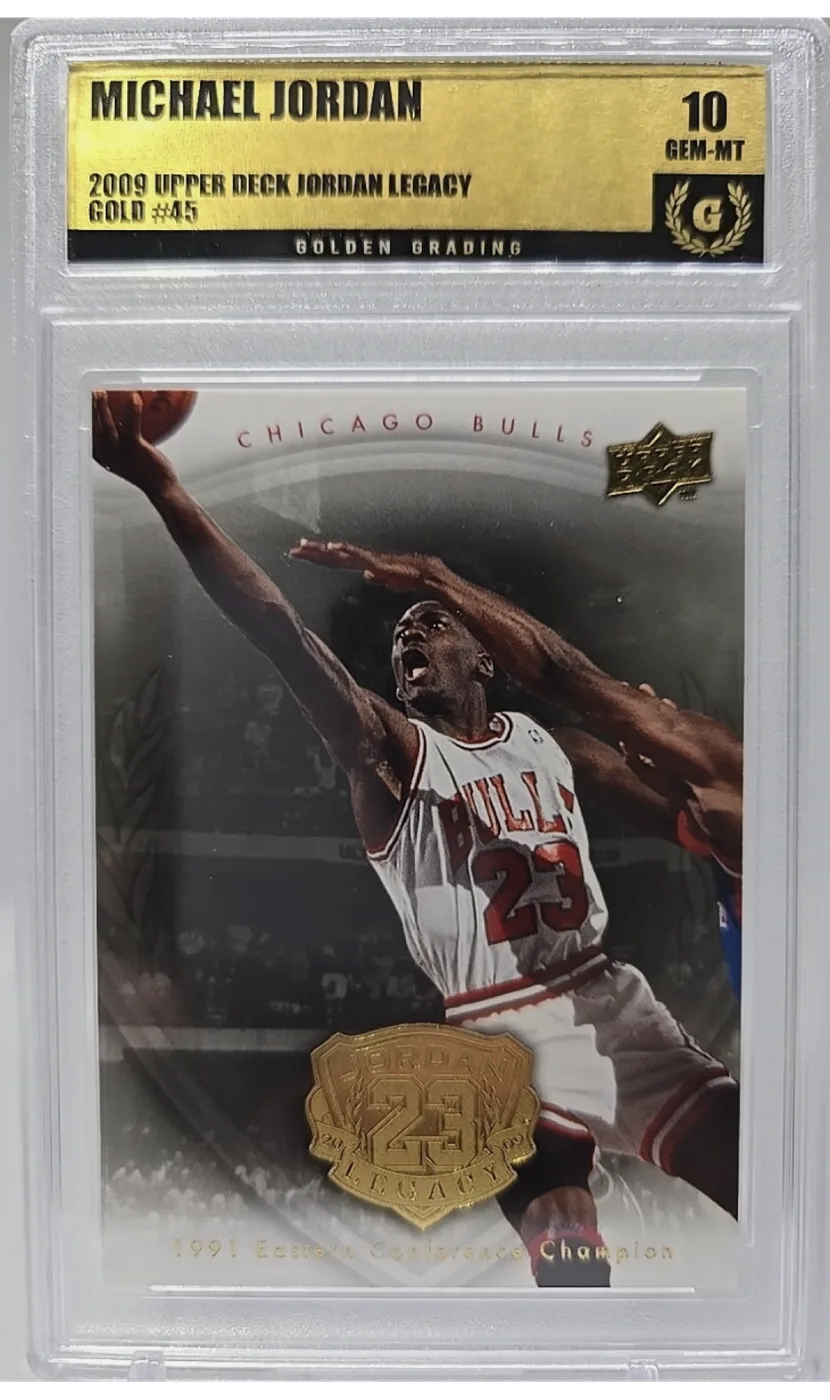
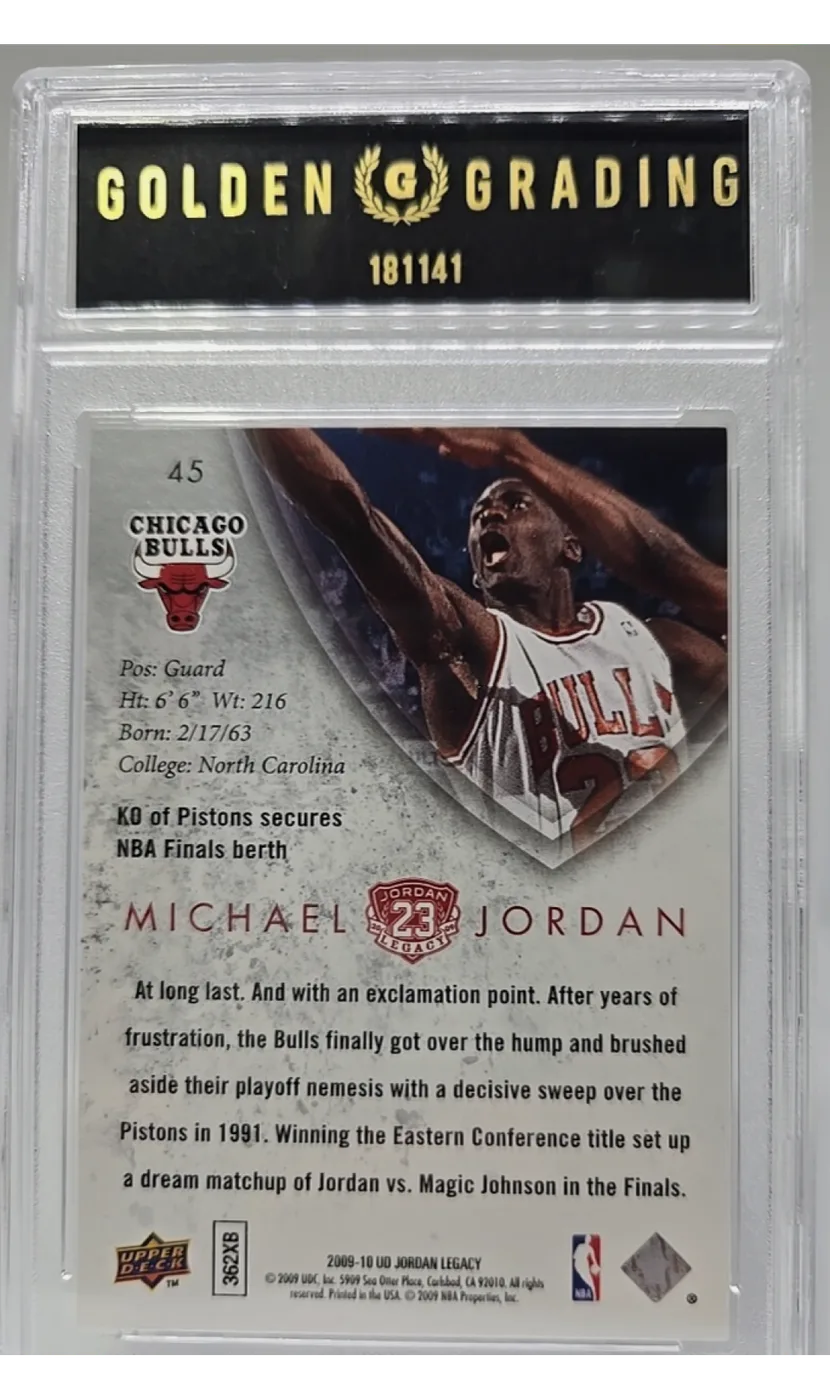
Ultrasonically welded, which is the same tamper-evident seal the majors use and more than the price suggests.
Example slab shown for reference — not a card I personally own.
The Label
SubgradesNone
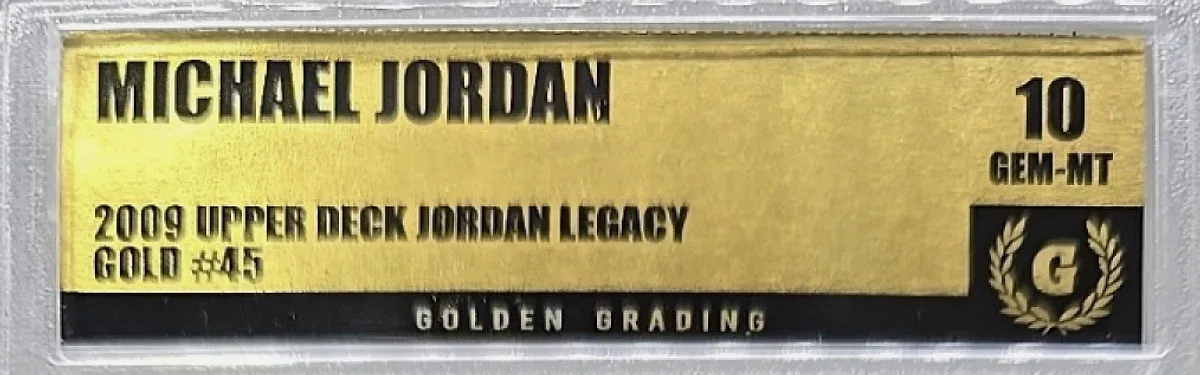
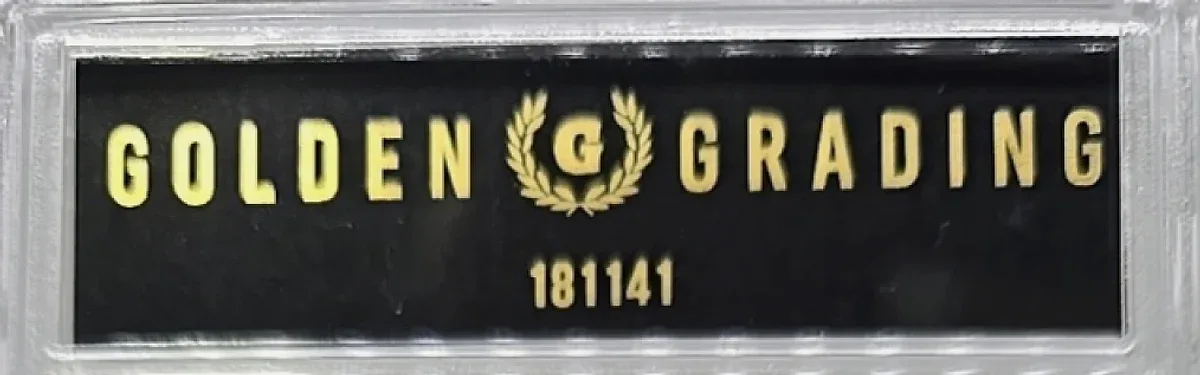
The palette is where the editorial issue sits — the colour scheme reads as deliberately Beckett-adjacent on a card whose grade carries none of Beckett's weight.
Grader Use Cases
- Personal Collection
- Protection & Preservation
Bulk protection at a price no major comes close to. Not a resale label, and the pricing is honest about being aimed at cards that would not justify a $25 grading fee.
Known Concerns
At $3 a card the economics only work at volume, which constrains how long any one card can be examined. There is no population report, so there is no way to judge how freely grades are given. The more interesting issue is visual: the holder and label lean on a palette that reads as Beckett at a glance. That is a design choice rather than a forgery, but it borrows recognition the company has not earned, and it is the sort of thing a buyer scrolling a listing will not stop to check. Turnaround figures are estimates only, start after the invoice is paid, and are explicitly not guaranteed.
On The Wire
What the hobby is saying about Golden Grading, with our read on what it changes for you.
OpinionBy Cardboard Journal
Golden's slab looks like Beckett's. Only one of them travels.
The argumentBuy the card, not the holder — and price a Golden slab as a nice case.
goldengrading.com2026-09-17
History
Louisiana-based, trading since 2021. Widely described as modern-era only, which its own submission terms contradict: Golden accepts cards from 1933 to the present, plus Pokemon, Marvel and Star Wars, and licensed pack-pulled autographs. It currently refuses Magic, One Piece, Dragon Ball Z and Yu-Gi-Oh.