
About
Why This Site Exists
It started with one card, one slab, and a lesson that cost money to learn.
The Slab That Taught Me This
I bought a card that had already been graded — slabbed, labeled, a grade number on the front, everything a real graded card is supposed to have. The company that graded it wasn't one I recognized, but it looked legitimate enough, and the price seemed reasonable for a graded card. It felt like a deal.
It wasn't until I started looking into reselling it that the problem became obvious. Nobody in the resale market recognizes this grader. Buyers who care about grading at all are searching population reports and sale histories from a small handful of companies — and this wasn't one of them. The card is graded, but it doesn't carry the value grading is supposed to add. If anything, the slab makes it harder to sell than if the card were still raw: a buyer who actually wants it raw now has to pay to crack it out first.
The person who made out was the seller. A cheap card in an official-looking holder sells for far more than the same card raw, and a new buyer has no easy way to tell which labels the market actually respects. That gap is what the slab was really for.
A grading company's name on a label isn't what protects a card's value. Being graded by a company the resale market actually trusts is what protects it.
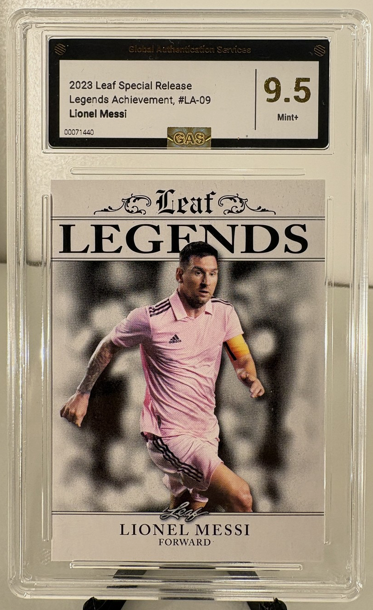
The Difference a Label Makes
Two identical cards, in two identical grades, can be worth very different amounts — because the market prices the label, not just the card. That gap is the whole subject of this site.
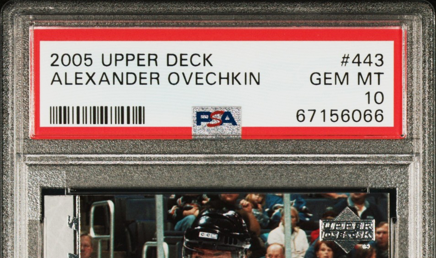
Buyers search this grader's population report. The grade is priced in.
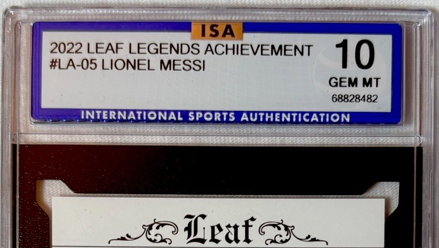
Nobody's searching for it. The slab adds cost, not value — and a buyer who wants the card raw has to crack it out first.
What We Track
We track pricing, turnaround, backlog, and — most importantly — how well each grading company is actually trusted by collectors and buyers, so you can decide whether grading a card will protect its value or just cost you money. Every grader gets a scorecard with the same fields, so you can compare like for like.
We also want to shed light on newer companies that are legitimate but don't have the name recognition of the majors yet, especially as some of the biggest names in the hobby go through their own controversies.
Listening to the Community
A grader's reputation doesn't live in press releases — it lives in what collectors say when something goes wrong. Turnaround times slipping, grades coming back inconsistent, a company going quiet: the community notices first, and often long before it shows up anywhere official.
So we collect that chatter and attach it to the grader it concerns. It's not gospel and we don't present it as fact — it's the early signal that tells you where to look harder before you send your cards somewhere.
Who We Are
We're a small, independent operation — not affiliated with, sponsored by, or paid by any grading company we cover. Our data comes from public pricing pages, submission forms, and ongoing community reports, updated as things change. When we can't verify something, we say so on the page rather than guessing.
More entries from the grading diary will follow, good and bad, as I keep grading and buying.